
Contents
- 🌱 The Genesis of Green Sanctuaries
- 🏛️ From Apothecary to Arboretum: A Historical Arc
- 🔬 The Scientific Soul: Research and Taxonomy
- 🌍 Global Collections and Biogeographic Storytelling
- 💡 Education as a Blooming Endeavor
- 🌿 Conservation's Living Ark
- 🖼️ The Art of Display: Aesthetics and Design
- 🌡️ Controlled Climates: The Magic of Glasshouses
- 💸 The Economics of Edens: Funding and Sustainability
- 🤔 The Future of Flora: Challenges and Innovations
- Frequently Asked Questions
- Related Topics
Overview
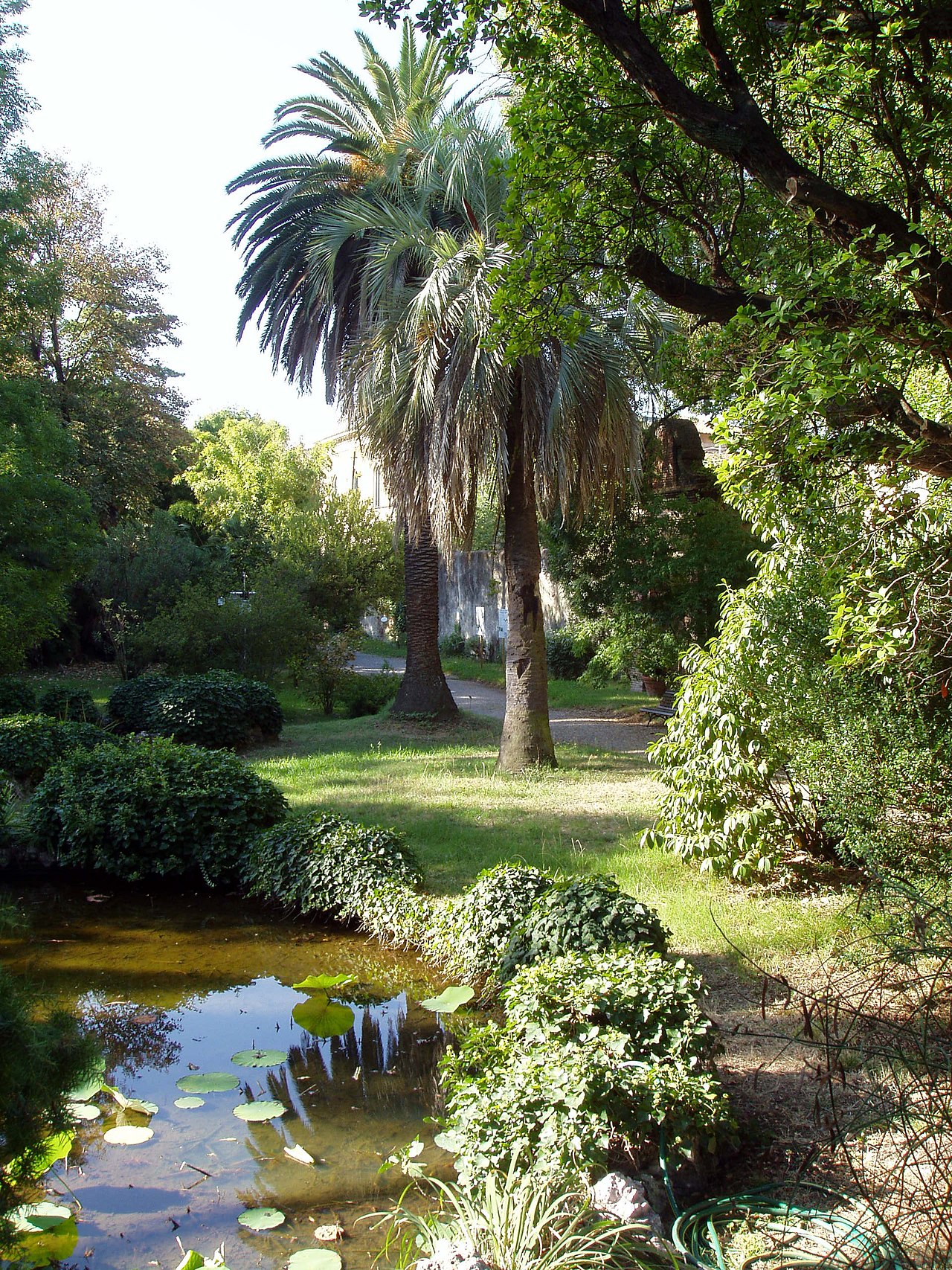
Botanical gardens are far more than mere collections of pretty flowers; they are meticulously curated living museums dedicated to the plant kingdom. At their core, these institutions serve a dual purpose: to catalog and preserve the Earth's botanical diversity while simultaneously educating and inspiring the public. The concept, while seemingly straightforward, involves complex logistical and scientific undertakings, from sourcing rare seeds to maintaining delicate ecosystems. The very act of labeling a plant with its botanical name and origin story transforms a simple walk into an educational journey, revealing the intricate web of life that sustains us.
🏛️ From Apothecary to Arboretum: A Historical Arc
The lineage of botanical gardens stretches back to ancient medicinal gardens and monastic herbariums, but their modern iteration truly blossomed during the Renaissance. Early European universities, such as Padua and Pisa, established physic gardens in the 16th century to cultivate plants for medical study and teaching. These were not just for show; they were vital hubs for understanding the therapeutic properties of flora, laying the groundwork for modern pharmacognosy. The subsequent Age of Exploration fueled a global race to collect exotic specimens, expanding these gardens into vast repositories of the world's botanical wealth, often driven by the economic interests of colonial powers and the burgeoning field of horticultural art.
🔬 The Scientific Soul: Research and Taxonomy
Beneath the aesthetic appeal, a botanical garden functions as a critical scientific research station. Each specimen, often sourced through international seed banks, is part of a living database. Researchers utilize these collections to study plant genetics, evolutionary biology, and the physiological adaptations of various species. The precise documentation of each plant's provenance is paramount, enabling studies on plant invasions and the impact of climate change on native flora. This scientific rigor ensures that botanical gardens remain vital centers for advancing our understanding of plant life and its ecological significance.
🌍 Global Collections and Biogeographic Storytelling
Many botanical gardens pride themselves on their global collections, often organized by geographic origin or habitat type. These curated landscapes allow visitors to traverse continents in a single afternoon, from arid deserts showcasing cacti and succulents to humid rainforest simulations housing tropical exotics. Such displays are not merely for visual appeal; they serve as crucial reference points for understanding biodiversity hotspots and the unique challenges faced by plants in different regions. They also play a role in conservation efforts by maintaining populations of plants that may be endangered in their native habitats.
💡 Education as a Blooming Endeavor
Education is a cornerstone of the modern botanical garden's mission, extending far beyond simple plant identification. Programs range from hands-on workshops for children on plant reproduction to lectures for adults on sustainable gardening practices and the history of herbalism. These institutions act as living classrooms, demonstrating ecological principles, the importance of biodiversity, and the cultural significance of plants. By fostering a deeper connection with the natural world, botanical gardens aim to cultivate a more informed and environmentally conscious citizenry, influencing everything from personal gardening choices to support for conservation policies.
🌿 Conservation's Living Ark
Botanical gardens are increasingly recognized as vital sanctuaries for plant conservation, acting as living gene banks for species threatened by habitat loss, climate change, and disease. Through off-site preservation, they maintain genetically diverse populations of rare and endangered plants, safeguarding them from extinction. Many gardens participate in coordinated efforts to reintroduce species back into their native environments, a complex process that requires extensive research and collaboration with local conservation groups. The work done within these gardens is critical for maintaining global plant diversity and ensuring the resilience of ecosystems worldwide.
🖼️ The Art of Display: Aesthetics and Design
The aesthetic presentation of plants is an art form in itself within botanical gardens. Landscape architects and horticulturists collaborate to create visually stunning displays that highlight the unique characteristics of each species and collection. This can involve formal parterres, naturalistic plantings, or thematic gardens like rose gardens or Zen gardens. The careful arrangement of form, color, and texture not only enhances visitor experience but also serves to draw attention to the inherent beauty and diversity of the plant kingdom, making the scientific accessible and engaging.
🌡️ Controlled Climates: The Magic of Glasshouses
Glasshouses, or conservatories, are indispensable components of many botanical gardens, allowing for the cultivation of plants that cannot survive the local climate. These controlled environments replicate conditions from tropical rainforests, arid deserts, or high-altitude alpine regions, housing collections of exotic orchids, carnivorous plants, and delicate ferns. The engineering and horticultural expertise required to maintain these microclimates—managing temperature, humidity, and light—is substantial. They offer visitors a glimpse into distant worlds and are crucial for the survival of species that are particularly vulnerable to environmental changes.
💸 The Economics of Edens: Funding and Sustainability
The operational costs of maintaining extensive living collections, specialized facilities like glasshouses, and robust research programs are significant, making funding a perpetual challenge. Botanical gardens rely on a diverse revenue stream, including public funding, private donations, membership fees, and increasingly, earned income from gift shops, cafes, and special events. The economic model often involves balancing the need for financial sustainability with the core mission of public access and scientific endeavor. Innovative fundraising strategies and partnerships are essential for ensuring the long-term viability of these invaluable institutions.
🤔 The Future of Flora: Challenges and Innovations
The future of botanical gardens is intertwined with the escalating challenges of climate change, habitat destruction, and the need for greater public engagement. Innovations in tissue culture and genetic banking offer new tools for conservation, while digital technologies are transforming how gardens engage with global audiences through virtual tours and online databases. The role of botanical gardens is likely to expand, moving beyond traditional collections to become active centers for ecological restoration, climate change adaptation research, and advocacy for plant conservation on a global scale. The question remains: can these green havens adapt quickly enough to secure the future of the flora they protect?
Key Facts
- Year
- 1593
- Origin
- Padua, Italy (Orto Botanico di Padova)
- Category
- Lifestyle
- Type
- Organization/Institution
Frequently Asked Questions
What is the primary difference between a botanical garden and a regular park?
While both offer green spaces, a botanical garden is fundamentally a scientific institution with a documented collection of living plants, maintained for research, conservation, display, and education. Regular parks are primarily for recreation and aesthetic enjoyment, lacking the scientific cataloging and conservation focus. Botanical gardens often feature specialized collections and labeled specimens, providing a deeper educational experience.
How do botanical gardens contribute to scientific research?
Botanical gardens serve as living laboratories for a wide range of scientific disciplines. Researchers use their collections to study plant genetics, evolutionary biology, plant physiology, and the impacts of environmental changes. The precise documentation of each plant's origin and characteristics allows for valuable comparative studies and the development of conservation strategies. They are crucial for understanding plant diversity and developing new horticultural or medicinal applications.
What role do glasshouses play in a botanical garden?
Glasshouses are essential for botanical gardens as they allow for the cultivation and display of plants that require specific, often extreme, climatic conditions not found locally. These controlled environments can replicate tropical rainforest humidity, desert aridity, or alpine coolness, housing collections of sensitive or exotic species. They are vital for conservation efforts, protecting vulnerable plants and enabling scientific study of their unique adaptations.
Are botanical gardens involved in plant conservation?
Yes, plant conservation is a core mission for most botanical gardens. They act as vital 'living gene banks,' preserving genetic diversity of rare and endangered species through off-site collections. Many gardens participate in coordinated programs to reintroduce species into their native habitats and collaborate with international organizations to protect plant life globally. Their work is critical in the face of widespread habitat loss and climate change.
How are botanical gardens funded?
Funding for botanical gardens is typically diverse, often combining public support through government grants with private sector contributions. Income is also generated through membership programs, donations, endowments, and commercial activities such as gift shops, cafes, and event rentals. Balancing these revenue streams is crucial for maintaining operations, research, and conservation initiatives.
What is the significance of plant labeling in botanical gardens?
Plant labeling is fundamental to the scientific and educational mission of a botanical garden. Labels typically include the plant's botanical name, common name, family, and country of origin, providing essential information for researchers and visitors. This documentation allows for accurate identification, facilitates study, and helps visitors understand the plant's ecological and geographical context, transforming a garden visit into an informative experience.