
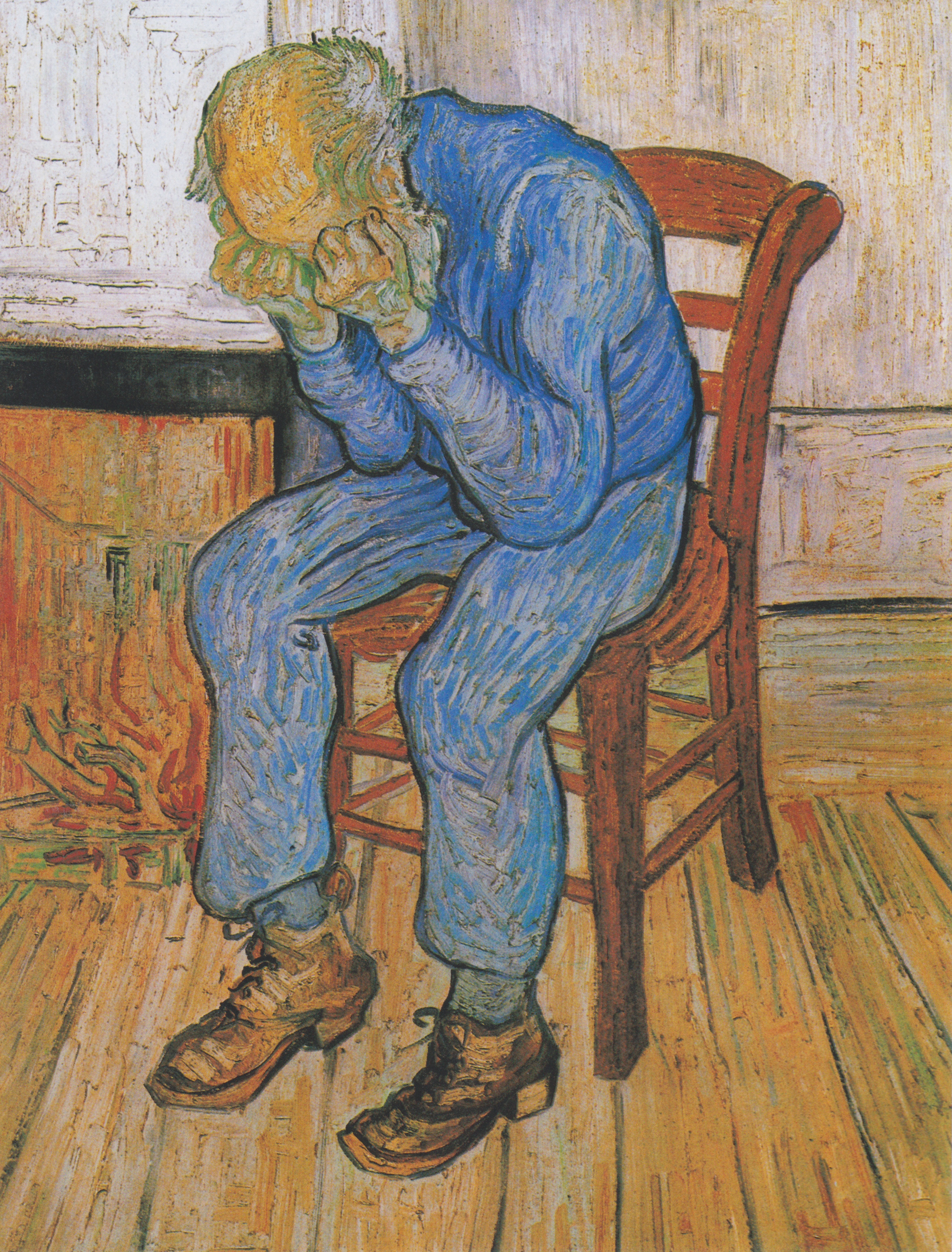
Contents
Overview
The conceptualization of depressive disorders has evolved dramatically, moving from ancient humoral theories to modern neurobiological understandings. Early physicians like Hippocrates described melancholia, attributing it to an excess of black bile, a notion that persisted for centuries. The Enlightenment era saw a shift towards viewing melancholy as a more complex affliction, with thinkers like Robert Burton publishing "The Anatomy of Melancholy" in 1621, a comprehensive exploration of its causes and treatments. The 20th century brought significant advancements, particularly with the introduction of psychotropic medications like imipramine in the 1950s, which revolutionized treatment paradigms. The American Psychiatric Association's publication of the Diagnostic and Statistical Manual of Mental Disorders (DSM), first in 1952 and significantly revised with the DSM-III in 1980, formalized the diagnostic criteria for Major Depressive Disorder (MDD), distinguishing it from other forms of sadness and establishing it as a distinct clinical entity. Aaron T. Beck laid the groundwork for contemporary research and clinical practice.
⚙️ How It Works
Depressive disorders are understood as complex conditions arising from an interplay of genetic predispositions, neurochemical imbalances, environmental stressors, and psychological factors. At a neurobiological level, dysregulation in neurotransmitter systems, particularly serotonin, norepinephrine, and dopamine, is frequently implicated, though the exact mechanisms are still under intense investigation. Brain imaging studies have revealed alterations in the structure and function of key areas involved in mood regulation, such as the amygdala, hippocampus, and prefrontal cortex. Psychologically, cognitive distortions—negative patterns of thinking about oneself, the world, and the future—as described by Aaron T. Beck's cognitive theory, play a significant role. Environmental factors, including trauma, chronic stress, and social isolation, can trigger or exacerbate these vulnerabilities. The DSM-5-TR categorizes these disorders based on symptom clusters, duration, and specific triggers, such as in Seasonal Affective Disorder (SAD) or Postpartum Depression.
📊 Key Facts & Numbers
Persistent Depressive Disorder (Dysthymia) is characterized by a chronically depressed mood for at least two years. The prevalence of Bipolar Disorder, which includes depressive episodes, is estimated at around 1-2% of the global population.
👥 Key People & Organizations
Numerous individuals and organizations have shaped our understanding and treatment of depressive disorders. Aaron T. Beck, often called the father of cognitive therapy, developed Cognitive Behavioral Therapy (CBT), a cornerstone treatment for depression, alongside his colleagues at the University of Pennsylvania. The National Institute of Mental Health (NIMH) in the United States has been instrumental in funding critical research into the biological underpinnings and treatment efficacy of various antidepressant medications and psychotherapies. International bodies like the World Health Organization (WHO) advocate for mental health parity and provide global statistics and guidelines. Pharmaceutical companies such as Pfizer and Eli Lilly and Company have developed and marketed widely prescribed antidepressant medications like Prozac (fluoxetine) and Zoloft (sertraline), respectively, profoundly impacting treatment accessibility.
🌍 Cultural Impact & Influence
Depressive disorders have permeated culture, influencing art, literature, music, and film, often serving as a lens through which human suffering and resilience are explored. From the melancholic poetry of Lord Byron to the introspective novels of Virginia Woolf, artists have grappled with the internal landscape of depression, offering catharsis and understanding to audiences. Films like "One Flew Over the Cuckoo's Nest" and "Girl, Interrupted" have brought portrayals of mental illness, including depression, to mainstream attention, sparking conversations and sometimes controversy about their accuracy and impact. The rise of social media platforms like Instagram has also introduced new dimensions, with some users sharing their experiences with depression, fostering online communities for support, while others raise concerns about the potential for comparison and exacerbation of negative feelings. The ongoing discourse around mental health awareness campaigns, often amplified by celebrities sharing their own struggles, has significantly reduced stigma, though challenges remain.
⚡ Current State & Latest Developments
Current research is pushing the boundaries of understanding and treating depressive disorders. Novel therapeutic approaches, including ketamine and psilocybin-assisted therapies, are showing remarkable promise for treatment-resistant depression, with clinical trials demonstrating rapid and significant mood improvements. Advances in neurotechnology, such as Transcranial Magnetic Stimulation (TMS) and Deep Brain Stimulation (DBS), offer non-invasive and targeted interventions for severe cases. Personalized medicine, leveraging genetic testing and biomarkers, aims to tailor treatments to individual patient profiles, moving away from a one-size-fits-all approach. The World Health Organization continues to prioritize mental health, launching initiatives like the "Mental Health Gap Action Programme (mhGAP)" to improve care in low- and middle-income countries, recognizing the vast unmet need. The ongoing COVID-19 pandemic has also highlighted the critical importance of mental health support, leading to increased demand for telehealth services and a greater societal focus on well-being.
🤔 Controversies & Debates
Significant debates persist regarding the classification and treatment of depressive disorders. The over-prescription of antidepressant medications and concerns about their long-term efficacy and side effects remain a point of contention, with some critics arguing for greater emphasis on psychotherapy and lifestyle interventions. The validity of certain diagnostic categories, particularly the distinction between MDD and Bipolar Disorder, is also debated, as misdiagnosis can lead to inappropriate treatment. Furthermore, the role of pharmaceutical companies in shaping diagnostic criteria and treatment guidelines, as highlighted by controversies surrounding SSRI marketing, raises questions about conflicts of interest. The increasing medicalization of sadness and the potential for pathologizing normal human emotions are also subjects of ongoing discussion within psychiatric and psychological communities.
🔮 Future Outlook & Predictions
The future of treating depressive disorders points towards greater personalization and integration of biological, psychological, and social interventions. Precision psychiatry, utilizing [[artificial-intelligence|arti
Key Facts
- Category
- health
- Type
- topic