
Contents
Overview
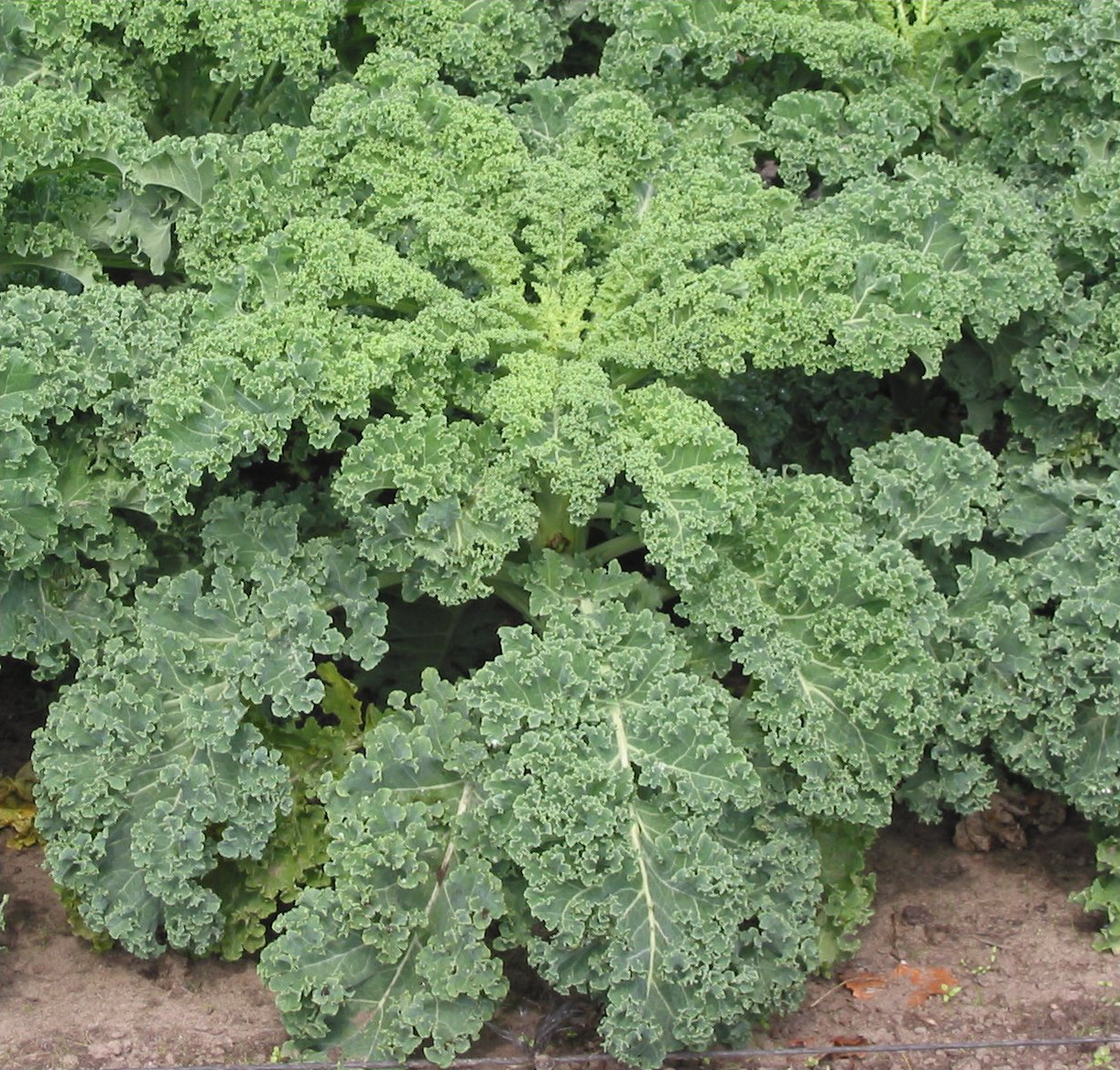
Kale, far more than a mere leafy green, is a celebrated ingredient in the world of refined cuisine, prized for its vibrant color, robust texture, and nutritional density. This cruciferous vegetable offers a sophisticated palette for culinary artists, ranging from deep emeralds to regal purples, with leaves that can be elegantly ruffled or boldly structured. Its versatility extends from delicate salads to hearty braises, making it a staple in kitchens that value both aesthetic presentation and wholesome ingredients. Beyond its visual appeal and taste, kale is a powerhouse of vitamins and minerals, aligning with a lifestyle that prioritizes well-being without compromising on gastronomic pleasure. As a centerpiece in modern gastronomy, kale embodies the fusion of nature's bounty with human creativity, a true testament to the art of food.
🎵 Origins & History
The lineage of kale traces back to ancient Greece and Rome, where it was cultivated and consumed for its culinary and medicinal properties. Initially, it was part of the broader cabbage family, with distinct cultivars developing over centuries of selective breeding. By the 19th century, specific varieties like the Lacinato (or Dinosaur) kale gained recognition for their unique textures and flavors, becoming a favored ingredient in regional cuisines, particularly in Italy and parts of Eastern Europe. The journey of kale from a humble garden staple to a globally recognized superfood is a narrative woven through agricultural history and evolving dietary trends.
⚙️ How It Works
Kale functions as a culinary chameleon, its structure and flavor profile adapting beautifully to various preparations. The key lies in its dense, fibrous leaves, which can be softened through cooking or enjoyed raw when finely chopped. Varieties like curly kale offer a crisp texture ideal for salads or chips, while Lacinato kale (also known as Dinosaur kale) presents a more tender, slightly sweeter profile suitable for braising or sautéing. Its inherent bitterness, a characteristic of many cruciferous vegetables, can be elegantly balanced with fats like olive oil or butter, acids such as lemon juice or vinegar, and sweeteners like maple syrup. Understanding these flavor dynamics is crucial for unlocking kale's full potential in the kitchen.
📊 Key Facts & Numbers
Globally, kale production is significant. In the United States, California leads production, accounting for a substantial portion of the domestic supply. The nutritional profile is equally impressive: a single cup (about 67 grams) of raw kale typically provides a notable amount of Vitamin K, essential for blood clotting and bone health. This dense nutrient profile has propelled kale into the spotlight of health-conscious diets.
👥 Key People & Organizations
While no single individual can claim sole ownership of kale's culinary journey, several figures and organizations have championed its rise. Chefs like Alice Waters have long advocated for seasonal, locally sourced produce, often featuring kale prominently in her farm-to-table philosophy at Chez Panisse. Health gurus and nutritionists, such as Michael Pollan, have extensively documented the benefits of plant-based diets, implicitly elevating vegetables like kale. Furthermore, organizations like the USDA provide nutritional data and promote vegetable consumption, indirectly supporting kale's widespread adoption. The collective influence of these voices has cemented kale's status as a dietary cornerstone.
🌍 Cultural Impact & Influence
Kale's cultural resonance is undeniable, transforming from a rustic farm vegetable into a symbol of healthy living and culinary sophistication. Its image is frequently associated with wellness culture, appearing in countless smoothie and salad trends popularized on platforms like Instagram and Pinterest. This widespread adoption has also led to its inclusion in popular media, from cooking shows to lifestyle blogs, solidifying its place in the modern cultural lexicon as a go-to green for health-conscious individuals.
⚡ Current State & Latest Developments
In 2024 and beyond, kale continues to be a dominant force in the produce market, though its meteoric rise has somewhat stabilized into consistent demand. Innovations in cultivation are focusing on developing new cultivars with enhanced flavor profiles and improved disease resistance, driven by companies like Bayer AG's seed divisions. Culinary experimentation remains vibrant, with chefs exploring novel applications, such as fermented kale dishes or intricate kale garnishes. The market is also seeing a rise in pre-packaged kale products, including washed and chopped varieties and kale-based snacks, catering to consumer demand for convenience and ease of preparation.
🤔 Controversies & Debates
The intense popularity of kale has not been without its critics and debates. One primary concern revolves around oxalates and goitrogens, compounds found in kale that, in very large quantities, could potentially interfere with thyroid function or calcium absorption. However, most nutritionists agree that for the average consumer, the benefits of kale's rich nutrient profile far outweigh these potential risks, especially when consumed in moderation and prepared properly (e.g., cooking can reduce goitrogen levels). Another debate centers on the environmental impact of its increased cultivation, with discussions around water usage and monoculture farming practices gaining traction among sustainability advocates.
🔮 Future Outlook & Predictions
The future of kale appears to be one of nuanced integration rather than fleeting trend. We can anticipate further development of specialized cultivars tailored for specific culinary uses or enhanced nutritional content, potentially through advanced plant-breeding techniques. The focus may shift from mass-market appeal to niche markets, with heirloom and specialty varieties gaining prominence among gourmands. Furthermore, as the global palate evolves, kale might find new expressions in cuisines beyond its traditional European and American contexts, perhaps becoming a key ingredient in fusion dishes or plant-based meat alternatives, driven by ongoing research in food science.
💡 Practical Applications
Kale's practical applications are remarkably diverse, extending across home kitchens, high-end restaurants, and health-focused establishments. It's a star ingredient in green smoothies, where its flavor is often masked by fruits like banana and pineapple. In salads, it provides a satisfying crunch, especially when massaged with a dressing to tenderize the leaves. Kale chips, baked until crispy, offer a guilt-free snack alternative to traditional potato chips. Beyond these common uses, it features in hearty stews, vibrant pestos, and as a filling for savory tarts, demonstrating its adaptability to a wide range of culinary styles and dietary needs.
Key Facts
- Category
- lifestyle
- Type
- product